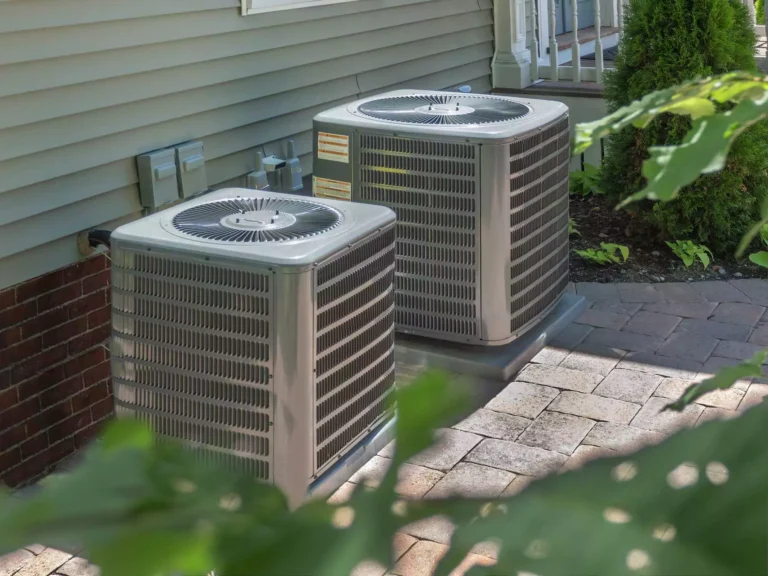

Why AC Winterization Matters Along the Gulf Coast
Florida does not experience the deep freezes that force homeowners in northern states to drain pipes and shut down systems for months. Even so, the idea that winterization has no place along the Gulf Coast is a mistake that costs property owners money every year. Our winters bring cool snaps, extended periods of low use, and the occasional dip into freezing temperatures that can catch an unprepared system off guard. When an air conditioner sits idle for weeks, moisture, debris, and pests all find opportunities to cause trouble.
Winterization is really about preparing your cooling equipment for a season of reduced demand while protecting the components that suffer most during downtime. At Total Air Solutions, we treat this seasonal service as a way to extend equipment life, prevent avoidable repairs, and make sure the first warm day of spring does not reveal an unpleasant surprise. Total Air Solutions provides residential and commercial HVAC services throughout Tampa, North Port, Town 'n' Country, Port Charlotte, Greater Carrollwood, Citrus Park, and Westchase, FL, and we have been serving the Gulf Coast communities since 2003, so we understand exactly how a mild-winter climate affects the machinery that keeps homes and businesses comfortable.
What Happens to an Idle System
An air conditioner that runs daily stays relatively self-maintaining. Condensate drains flush regularly, refrigerant circulates, and moving parts stay lubricated through use. Once demand drops during cooler months, that natural motion stops. Standing water can sit in drain lines and pans, encouraging algae growth and clogs. Dust settles on coils and inside the blower housing. Small animals and insects often view a still, sheltered outdoor unit as an inviting place to nest.
Coastal humidity adds another layer of concern. Even when the compressor is not running, salt-laden air and moisture accelerate corrosion on exposed metal surfaces, electrical contacts, and fasteners. A system left unattended through the off-season may look fine on the outside while developing internal problems that only surface when you finally call for cooling again. Winterization addresses these hidden risks before they become expensive failures.
Our Winterization Process Step by Step
We follow a consistent sequence so that nothing is overlooked. Each stage builds on the one before it, moving from inspection through protection to a final verification that the system is ready to rest safely until you need it.
- Full system inspection: We examine the condenser, evaporator coil, electrical connections, and refrigerant charge to document the condition of every major component before shutdown.
- Coil and cabinet cleaning: We remove dust, leaves, and buildup from the coils and interior surfaces so that debris does not harden or trap moisture during months of inactivity.
- Drain line clearing: We flush the condensate line and clear the pan to eliminate standing water that would otherwise breed algae and cause clogs.
- Component protection: We check seals, tighten electrical terminals, and apply protective measures against corrosion where the manufacturer allows it.
- Outdoor unit safeguarding: We advise on proper covering methods that keep out debris and pests without trapping moisture against the metal.
Throughout the visit, our technicians note any developing issues, such as worn contactors or low refrigerant, so you can address them on your own schedule rather than during an emergency.
Technical Details That Make a Difference
Not every cover is appropriate for a Gulf Coast condenser. A full plastic wrap that seals the unit completely can trap humidity inside and create the very corrosion it was meant to prevent. We recommend breathable, fitted covers or partial top covers that block falling debris while allowing air to circulate. This distinction matters more in a humid climate than in a dry one.
Refrigerant handling is another technical point worth understanding. During winterization we verify pressures and look for signs of a slow leak. Catching a small refrigerant loss now prevents the compressor from working against an improper charge when the system restarts. We also pay close attention to the thermostat settings and any freeze-protection features, since a properly configured system can call for brief operation on cold nights to protect the equipment and, in commercial settings, sensitive stored goods.
Applications for Homes and Businesses
Winterization serves different needs depending on the property. A seasonal resident who leaves a home empty for part of the year benefits enormously, because an unattended house can develop drain overflows and humidity problems with no one present to notice. A vacation property, a rental between tenants, or a second home all fall into this category.
Commercial clients face their own set of concerns. Retail spaces, offices, and warehouses may reduce cooling loads during cooler months but still require reliable operation on demand. For these customers, we tailor winterization to keep equipment ready without wasting energy on constant cycling. Restaurants, medical offices, and facilities with temperature-sensitive inventory need systems that respond immediately when conditions change. Whether the property is a single-family residence or a multi-unit commercial building, Total Air Solutions builds a winterization plan around how the space is actually used.
Preparing for the Cooling Season Ahead
Winterization is only half of the seasonal cycle. When warmer weather returns, a system that was properly shut down starts back up smoothly with a simple reactivation check. We remove covers, verify drainage, confirm refrigerant pressures, and test operation so you move into the hot months with confidence. This paired approach, careful shutdown followed by a straightforward restart, protects your investment year after year and helps you avoid the peak-season rush when demand for service is highest across the region.