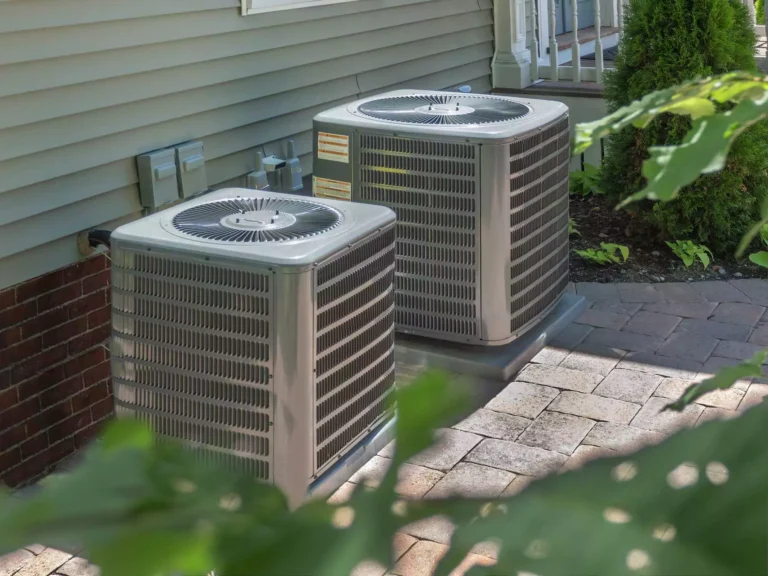

Understanding the Heart of Your Air Conditioning System
On a hot afternoon along the Gulf Coast, an air conditioner that suddenly blows warm air often points to a single component under strain: the compressor. This part sits inside the outdoor condensing unit and drives the entire refrigeration cycle. When it starts to fail, you may hear grinding or clicking sounds, notice the outdoor unit tripping breakers, or feel a steady stream of air that never reaches the set temperature. These early warning signs give a trained technician the information needed to diagnose a compressor problem before it forces a complete system shutdown.
The compressor pressurizes refrigerant and moves it through the coils, releasing heat outside and drawing heat away from indoor air. Because it works under high pressure and constant electrical load, it is one of the most stressed parts in any cooling system. At Total Air Solutions, we treat compressor issues as a priority repair, since a failed compressor stops the cooling process completely. We provide residential and commercial HVAC services throughout Tampa, North Port, Town 'n' Country, Port Charlotte, Greater Carrollwood, Citrus Park, and Westchase, FL, and we have been serving the Gulf Coast communities since 2003.
Diagnosing a Failing Compressor
Accurate diagnosis prevents unnecessary parts replacement and wasted labor. When our technicians arrive, they follow a structured inspection that separates a true compressor fault from problems that only imitate one. A tripped capacitor, a failed contactor, or a refrigerant leak can produce symptoms that look like compressor failure but require far simpler repairs.
The diagnostic sequence typically includes several measured checks. Each step gives objective data rather than a guess about what has gone wrong.
- Electrical testing: We measure voltage, amperage draw, and resistance across the compressor windings to identify shorted or open circuits.
- Capacitor and contactor inspection: A weak start capacitor often prevents the compressor from starting, and replacing it can restore full operation without touching the compressor itself.
- Refrigerant pressure readings: Low or unbalanced pressures point to leaks or restrictions that place extra load on the compressor.
- Temperature differential measurement: We compare intake and output temperatures to confirm whether the compression cycle still works correctly.
Only after these readings confirm a genuine internal failure do we recommend compressor repair or replacement. This method protects you from paying for a major component when a minor part is the actual cause. Many service calls that begin as suspected compressor failures end with a straightforward capacitor or wiring repair, and we are glad to deliver that outcome when the evidence supports it.
The Repair Process Step by Step
Once we confirm that the compressor requires attention, we move through the repair in a careful order that protects both the equipment and the refrigerant charge. Compressors operate inside a sealed system, so every stage must respect environmental and safety standards.
The general progression looks like this. We adjust each step to match the specific unit, whether it is a home split system or a rooftop commercial package unit.
- Refrigerant recovery: We remove and safely store the existing refrigerant using recovery equipment that meets EPA requirements.
- Electrical isolation: We disconnect and lock out power to prevent any risk during the repair.
- Component removal: We detach the failed compressor along with any burned or contaminated parts, such as a scorched filter drier.
- Installation and brazing: We fit the replacement compressor and braze the connections under a nitrogen purge to keep contaminants out of the lines.
- Evacuation and charging: We pull a deep vacuum to remove moisture and air, then recharge the system to the manufacturer’s exact specification.
- System verification: We run the unit through a full cycle and confirm pressures, temperatures, and amperage fall within the correct range.
This disciplined approach reduces the chance of repeat failure. A compressor that fails because of moisture contamination or an incorrect charge will fail again quickly if those root causes go unaddressed, so we build safeguards into every repair.
Technical Factors That Determine Compressor Life
Compressors come in several designs, and each responds differently to load and maintenance. Scroll compressors, common in modern residential systems, offer quiet operation and fewer moving parts. Reciprocating compressors appear in many older and commercial units and tolerate a wide range of conditions. Matching the correct compressor type, refrigerant, and capacity to the existing system is essential, since a mismatch shortens the life of the entire unit.
Several conditions directly affect how long a compressor lasts. Low refrigerant from an untreated leak forces the compressor to run hot. Dirty condenser coils trap heat and raise operating pressure. Electrical fluctuations wear the windings over time. In the humid Gulf Coast climate, systems run for long stretches, which makes routine maintenance the single best protection against premature compressor failure.
Serving Homes and Businesses Across the Gulf Coast
Our compressor repair work covers both residential and commercial equipment. In a home, a restored compressor brings back comfort during peak summer heat. In a commercial setting such as a retail store, office, or restaurant, a working compressor protects both customer comfort and temperature-sensitive inventory.
When you contact Total Air Solutions for compressor repair, you receive a clear diagnosis, honest options, and workmanship backed by decades of local experience. We understand how the coastal climate stresses cooling equipment, and we repair each system with that demand in mind so it holds up through the longest, hottest days of the year.