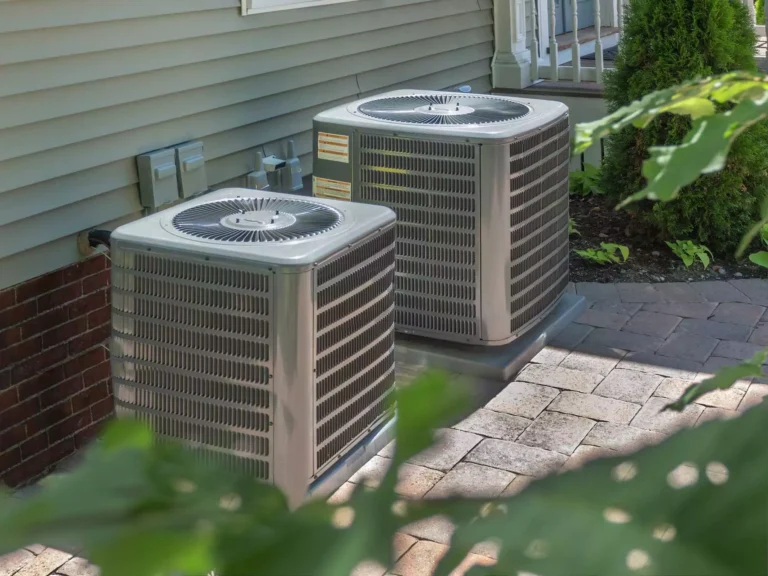

Central AC Repair Tampa, FL
When your central air conditioning system fails during Tampa’s sweltering summer months, you need immediate professional assistance to restore comfort to your home or business. At Total Air Solutions, we specialize in comprehensive central AC repair services that address everything from minor component failures to major system breakdowns. Our experienced technicians understand the unique challenges that Florida’s humid subtropical climate poses to cooling systems, and we’ve developed repair strategies specifically tailored to extend equipment life in these demanding conditions.
Central air conditioning systems in Tampa face constant stress from operating nearly year-round, with cooling demands often extending from March through November. This extended operational period means your system accumulates significantly more runtime hours than units in temperate climates, leading to accelerated wear on critical components like compressors, fan motors, and electrical contactors. We’ve been serving the Gulf Coast communities since 2003, giving us invaluable insight into the most common failure points for central air systems in this region.
Common Central Air Conditioning Repair Issues
The most frequent central AC repair calls we handle involve refrigerant-related problems, which account for approximately 40% of system failures in the Tampa Bay area. Low refrigerant levels typically indicate a leak somewhere in the system, whether in the evaporator coil, condenser coil, or refrigerant lines. These leaks develop over time due to corrosion accelerated by salt air exposure, particularly in properties closer to the coast. Our technicians use advanced leak detection equipment including electronic leak detectors and UV dye systems to pinpoint even the smallest refrigerant leaks.
Electrical component failures represent another major category of central air conditioning repairs. Florida’s frequent thunderstorms and power surges can damage capacitors, circuit boards, and compressor windings. We often encounter systems where the capacitor has failed, preventing the compressor or fan motor from starting properly. These cylindrical components store electrical energy to provide the initial power surge needed to start motors, and they deteriorate faster in high-temperature environments. Additionally, contactors that control power flow to the compressor and condenser fan motor can become pitted or worn from repeated cycling, requiring replacement to restore proper operation.
Diagnostic Procedures and Central AC Repair Methodologies
Our diagnostic approach for central air repair begins with a comprehensive system evaluation that examines both performance metrics and physical component conditions. We measure superheat and subcooling values to assess refrigerant charge accuracy and system efficiency. Temperature differential testing across the evaporator coil helps identify airflow restrictions or heat transfer problems. Static pressure measurements in the ductwork reveal whether inadequate airflow might be contributing to system problems.
Advanced diagnostic tools allow us to identify problems before they cause complete system failure. Thermal imaging cameras detect hot spots in electrical panels and components that indicate impending failure. Megohmmeter testing evaluates compressor winding insulation integrity, potentially catching compressor problems months before failure occurs. These predictive maintenance techniques, combined with our extensive experience providing residential and commercial HVAC services throughout North Port, Tampa, and Bradenton, enable us to recommend the most cost-effective repair solutions.
Central AC System Components and Technical Specifications
Understanding the technical aspects of central AC systems helps property owners recognize when professional repair is necessary. Modern central air conditioning systems operate using the vapor-compression refrigeration cycle, where refrigerant continuously changes from liquid to gas and back again while absorbing and releasing heat. The compressor, often called the heart of the system, pressurizes refrigerant vapor to approximately 250-300 PSI on the high side, raising its temperature above outdoor ambient conditions for heat rejection.
- Evaporator coils: typically operate at 35-40 degrees Fahrenheit surface temperature
- Condenser coils: reject heat at temperatures 15-30 degrees above outdoor ambient
- Refrigerant lines: must maintain specific pressure differentials for proper operation
- Blower motors: move between 350-450 cubic feet per minute of air per ton of cooling
Preventive Maintenance and Central Air System Longevity
Regular maintenance significantly reduces the frequency and severity of central AC repairs. Industry studies indicate that properly maintained systems experience 75% fewer unexpected breakdowns and operate with 20-30% better efficiency than neglected units. Essential maintenance tasks include monthly filter changes during peak cooling season, annual coil cleaning to maintain heat transfer efficiency, and regular electrical connection inspections to prevent loose connections from causing component damage.
At Total Air Solutions, we recommend scheduling professional maintenance twice yearly for optimal system performance in Tampa’s demanding climate. This proactive approach helps identify minor issues before they escalate into costly repairs, ultimately extending your central air conditioning system’s operational lifespan while maintaining peak efficiency throughout the cooling season.