
5 Essential HVAC Emergency Prevention Strategies Every Gulf Coast Homeowner Should Implement Before Hurricane Season
Living along the Gulf Coast means embracing beautiful weather for most of the year, but it also means preparing for hurricane season every June through November. Your HVAC system represents one of the most significant investments in your home, and without proper preparation, a single storm can cause thousands of dollars in damage. At Total Air Solutions, we have been serving the Gulf Coast communities since 2003, and over those two decades, we have seen firsthand how proper preparation can mean the difference between a quick recovery and weeks without climate control. Whether you live in Tampa, North Port, Port Charlotte, Punta Gorda, Englewood, or Town ‘n’ Country, these five strategies are critical for protecting your system before the storms arrive.
Strategy 1: Schedule a Comprehensive Pre-Season HVAC Inspection
The single most important step you can take is scheduling a thorough professional inspection before hurricane season begins. During this inspection, a qualified technician evaluates your entire system, including the outdoor condenser unit, indoor air handler, refrigerant levels, electrical connections, and ductwork integrity. Systems that enter hurricane season with existing problems, such as loose electrical connections or corroded components, are far more likely to suffer catastrophic failure during a storm. According to the Department of Energy, routine maintenance can reduce the risk of costly breakdowns by as much as 95 percent.
A pre-season inspection also gives technicians the opportunity to identify components that may be nearing the end of their lifespan. If your system requires AC repair or part replacement, addressing those needs before a hurricane hits ensures you are not competing with thousands of other homeowners for service calls during the aftermath. Total Air Solutions provides residential and commercial HVAC services throughout North Port, Tampa, and Bradenton, and we strongly recommend scheduling inspections no later than May to beat the seasonal rush.
Strategy 2: Secure and Protect Your Outdoor Unit
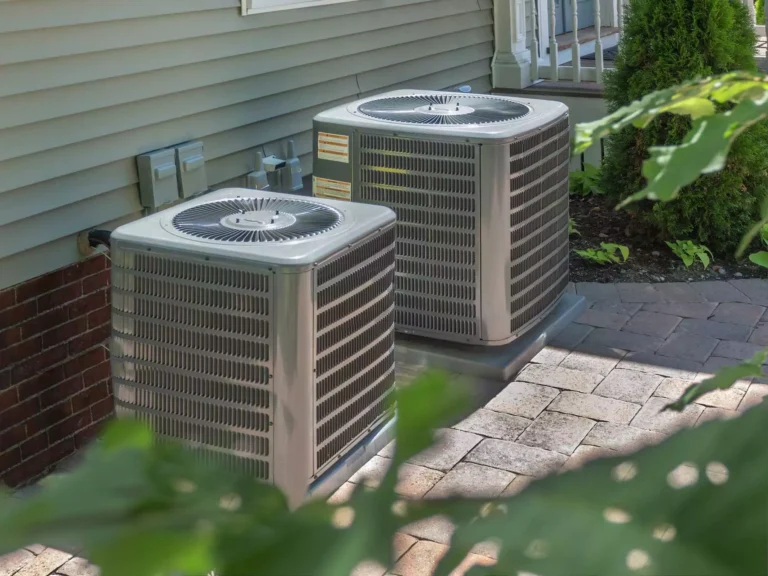
Your outdoor condenser unit is the most vulnerable component of your HVAC system during a hurricane. Flying debris, standing water, and extreme wind can all cause severe damage. Homeowners should ensure the unit is mounted on a concrete pad that sits at least several inches above ground level to minimize flood risk. Installing hurricane straps or tie-down kits specifically designed for HVAC equipment adds another layer of protection against winds that can exceed 100 miles per hour along the Florida Gulf Coast.
Before a storm makes landfall, clear the area around your outdoor unit of any loose items, patio furniture, garden tools, or landscaping debris that could become projectiles. While some homeowners consider covering the unit with plywood, it is essential never to wrap the unit completely, as this can trap moisture inside and cause additional problems. After the storm passes, always have a professional inspect the unit before turning the system back on, since running a damaged system can lead to compressor failure and far more expensive repairs.
Strategy 3: Upgrade to a Resilient System Configuration
If your current system is aging or you are considering an HVAC installation, hurricane season is a compelling reason to explore modern, storm-resistant options. Ductless HVAC systems and heat pumps offer several advantages in storm-prone areas. Ductless mini-split systems eliminate the vulnerability of traditional ductwork, which can be compromised when roof damage occurs during a hurricane. Heat pumps provide efficient heating and cooling in a single unit, reducing the overall number of components exposed to storm damage.
Modern systems also feature advanced diagnostic capabilities that alert homeowners and technicians to potential problems before they escalate. Variable-speed compressors and smart thermostats can help manage energy consumption during the unpredictable power fluctuations that often accompany tropical weather events.
Strategy 4: Protect Your Ductwork and Indoor Components
Ductwork running through attics and crawl spaces faces significant risk during hurricanes. High winds can compromise roof integrity, exposing ducts to rain and debris. Ensuring all duct connections are properly sealed with mastic sealant rather than standard duct tape dramatically improves resilience. Homeowners should also verify that attic-mounted air handlers are properly secured and that condensate drain lines are clear to prevent water backup during heavy rainfall.
Strategy 5: Develop a Post-Storm Recovery Plan
Preparation extends beyond the storm itself. Every Gulf Coast homeowner should have a clear post-hurricane protocol for their HVAC system:
- Never restart your system until a qualified technician has inspected it for water damage, electrical issues, and debris contamination
- Document all damage with photographs immediately after it is safe to assess your property for insurance purposes
- Check your thermostat and electrical panel for signs of water intrusion or power surge damage before engaging any equipment
- Replace air filters that may have been exposed to moisture, mold spores, or contaminated air during the storm
- Inspect refrigerant lines running between indoor and outdoor units for visible damage or displacement
Taking these five strategies seriously can protect your comfort, your investment, and your family’s health throughout hurricane season. Contact Total Air Solutions to schedule your pre-season inspection and ensure your system is ready for whatever the Gulf Coast weather brings.