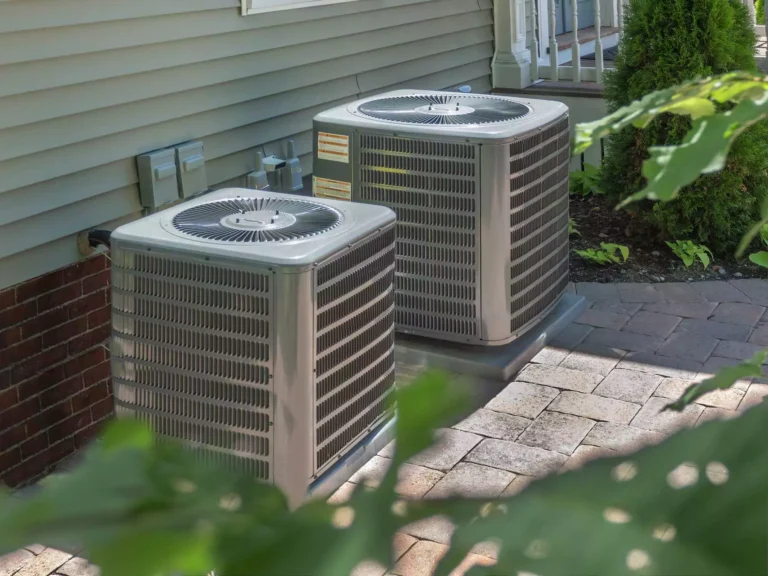

An air conditioning system that has served a Town ‘n’ Country home for fifteen years often shows its age gradually. Cooling cycles run longer, energy bills climb month after month, and certain rooms never quite reach the temperature set on the thermostat. Eventually a repair estimate approaches the cost of a new unit, and the decision shifts from another patch to a full replacement. This is the moment when planning a proper HVAC system replacement makes the difference between years of reliable comfort and a repeat of the same frustrations.
At Total Air Solutions, we have guided Gulf Coast homeowners and business operators through this transition since 2003. Replacing an entire heating and cooling system is a larger project than a single repair, and it rewards careful thought. The goal is not simply to swap old equipment for new, but to size, match, and install a system that fits the building, the climate, and the way you use the space.
When Replacement Makes More Sense Than Repair
Many Town ‘n’ Country property owners hold onto an aging system longer than they should. The habit is understandable. A working unit, even an inefficient one, feels less urgent than an outright failure. But there are clear signals that point toward replacement rather than another service call.
Age is the first factor. Most central systems in this region last twelve to fifteen years before efficiency drops sharply. A unit that uses an older refrigerant, that needs frequent part replacements, or that struggles against Florida humidity is usually past the point where repair spending pays off. When the yearly cost of keeping an old system alive begins to rival the value of a new one, replacement becomes the sound financial choice.
Comfort and health also weigh in. An undersized or worn system cannot control humidity well, and high indoor moisture invites mold and musty air. A modern, correctly sized system removes moisture as it cools, keeping the air fresh and the structure protected. When you notice uneven temperatures, constant running, or air that feels damp even when the thermostat reads a comfortable number, the equipment is telling you it can no longer keep up.
How We Approach an HVAC System Replacement
A quality HVAC system installation begins long before any equipment arrives. The single most common cause of poor performance in a new system is incorrect sizing. A unit that is too large cools quickly but shuts off before it can pull humidity from the air. A unit that is too small runs constantly and never reaches the target. We avoid both problems with a careful load calculation that accounts for the specifics of your building.
Our process follows a clear order so nothing is missed:
- Full assessment: We measure the space, inspect the existing ductwork, and review insulation, window exposure, and the layout of each room.
- Load calculation: We use industry-standard methods to determine the exact cooling and heating capacity your building needs.
- Equipment selection: We match the system to that calculation and to your efficiency goals, then explain the options in plain terms.
- Professional installation: We remove the old equipment, install the new system, seal and adjust ductwork as needed, and verify airflow at every register.
- Testing and handoff: We confirm refrigerant charge, cycle times, and temperature output, then walk you through the controls.
Ductwork deserves special attention during a replacement. A high-efficiency unit connected to leaky or undersized ducts cannot deliver its rated performance. As part of the installation, we inspect the duct network and repair or resize sections that restrict airflow or waste conditioned air into attics and wall cavities.
Technical Details That Shape Performance
Modern systems offer efficiency ratings, staged compressors, and variable-speed fans that older equipment never provided. Understanding these features helps you choose wisely.
The SEER rating measures cooling efficiency. Higher numbers mean lower operating costs over the life of the system, though the right balance depends on how many hours the unit runs each year. In the Town ‘n’ Country climate, where cooling demand stretches across most of the calendar, a higher-rated system often pays back its added cost through reduced electric use.
Variable-speed and two-stage systems bring another advantage. Rather than switching fully on and off, they run at lower output during mild conditions and ramp up only when needed. This steady operation controls humidity more precisely, reduces temperature swings, and runs more quietly. For homes with occupants sensitive to comfort or air quality, these features make a noticeable difference.
Residential and Commercial Replacement Across the Gulf Coast
As an established HVAC company, Total Air Solutions provides residential and commercial HVAC services throughout North Port, Tampa, and Bradenton, and we bring the same standards to every replacement in Town ‘n’ Country. A homeowner replacing a single central unit and a business operator upgrading rooftop equipment both benefit from correct sizing, clean installation, and thorough testing.
Commercial replacements carry added considerations such as zoning across large floor plans, scheduling work to limit disruption, and coordinating with existing controls. We plan these projects to keep your space operational while the new equipment goes in. Whether the job is a home in a quiet neighborhood or a busy storefront, our aim is a system that runs efficiently, controls humidity, and holds up through many Gulf Coast summers. Contact Total Air Solutions to schedule an assessment and start planning your replacement with confidence.