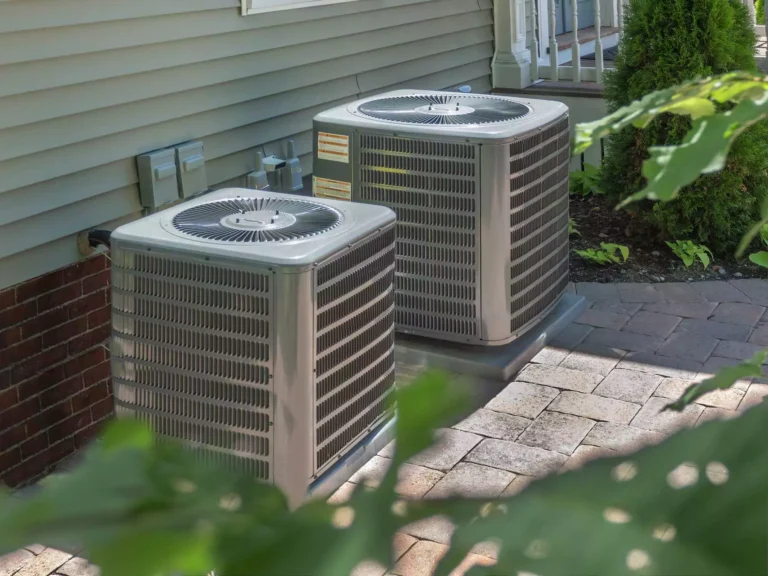

A fifteen-year-old air conditioner running through another Charlotte Harbor summer often works twice as hard to deliver half the comfort it once did. Rising electric bills, uneven temperatures between rooms, and frequent repair calls all point toward a single decision that many homeowners put off longer than they should: full system replacement. Knowing when and how to replace an aging HVAC system saves money, prevents mid-summer breakdowns, and restores reliable comfort to a home or business.
When Replacement Makes More Sense Than Repair
One of the most common questions we hear concerns timing. A system that needs an occasional part is usually worth keeping. A system that fails repeatedly, costs more to run each season, and no longer holds temperature is a different situation. The general guideline many technicians follow is the age and repair-cost balance. Air conditioners in this region typically last between ten and fifteen years because the salt air and long cooling season put heavy demand on components.
When repair estimates begin to approach a significant portion of replacement cost, continued patching rarely pays off. Older systems also use refrigerants and efficiency ratings that modern equipment has moved past. Replacing an outdated unit with a high-efficiency model often lowers monthly energy use enough to offset part of the investment over time. At Total Air Solutions, we help homeowners weigh these factors honestly rather than pushing a replacement before it is needed.
How Our HVAC System Replacement Process Works
Replacing an HVAC system is far more involved than swapping one box for another. The process begins with a load calculation. This step measures the home or building to determine the exact cooling and heating capacity required. Square footage, ceiling height, insulation levels, window placement, and sun exposure all factor into the result. A unit that is too small will run constantly and still struggle. A unit that is too large will cycle on and off too quickly, wasting energy and leaving humidity behind.
Once we know the correct capacity, we review the existing ductwork, electrical connections, and drainage. Many comfort problems trace back to leaky or undersized ducts rather than the equipment itself, so we inspect these components before installation day. The replacement itself follows a careful sequence that protects your property and ensures the new system performs as designed.
- Removal of the old equipment: We safely recover refrigerant, disconnect the old unit, and remove it without damaging surrounding areas.
- Preparation of the site: We verify the condensate drain, level the pad for the outdoor unit, and confirm the electrical supply meets the new system requirements.
- Installation of the new system: We set the indoor and outdoor units, connect refrigerant lines, and seal all joints to prevent leaks.
- Testing and calibration: We charge the system to manufacturer specifications, check airflow, and confirm the thermostat communicates correctly.
- Final walkthrough: We explain the new controls, maintenance needs, and warranty details before we consider the job complete.
Technical Specifications That Matter in Charlotte Harbor
The coastal climate here shapes which equipment performs best. High humidity means a system must do more than lower the temperature. It must pull moisture from the air to keep indoor spaces comfortable and prevent mold growth. Variable-speed compressors and multi-stage air handlers excel at this because they run longer at lower output, which removes more humidity than older single-stage units that blast cold air in short bursts.
Efficiency ratings also deserve attention. The SEER2 rating measures cooling efficiency, and higher numbers translate to lower operating costs across the long Florida cooling season. When we recommend a replacement, we match the efficiency level to how the space is used. A home occupied year-round benefits from a higher rating, while a seasonal property may call for a different balance. We also consider corrosion-resistant coatings on outdoor coils, since salt air near the harbor accelerates wear on standard equipment.
Applications for Homes and Businesses
HVAC System Replacement serves a wide range of needs across the Gulf Coast. A family home may need a reliable split system that keeps bedrooms and living areas evenly cooled. A small office may require a packaged unit that frees up interior space. A restaurant or retail space often needs equipment sized to handle heavy foot traffic, kitchen heat loads, and extended operating hours. Each situation calls for a tailored approach rather than a one-size answer.
Total Air Solutions provides residential and commercial HVAC services throughout North Port, Tampa, and Bradenton, and we bring that same experience to Charlotte Harbor projects. We have been serving the Gulf Coast communities since 2003, which means we understand how local weather, construction styles, and energy costs influence the right replacement decision.
Choosing the Right HVAC Company
A quality installation matters as much as the equipment itself. Even the best system underperforms when it is poorly sized or improperly charged. That is why working with an experienced HVAC Company protects your investment. We stand behind our HVAC System Installation work with careful testing and clear communication so you know exactly what to expect.
If your current system struggles through the heat, drives up energy bills, or requires repair after repair, a replacement may be the practical path forward. Reach out to Total Air Solutions to schedule an evaluation, and we will help you choose equipment that fits your space, your climate, and your comfort needs for years to come.