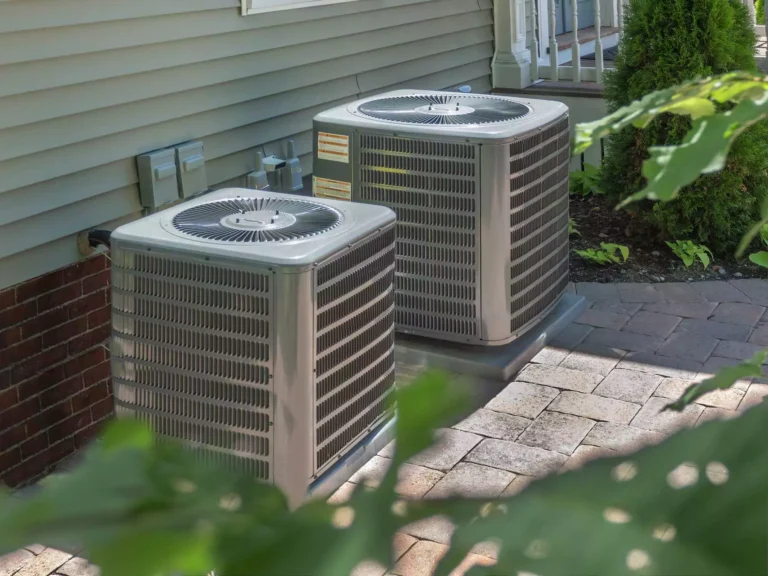

A fifteen-year-old air conditioner in a Citrus Park home often runs through summer with worn components, rising energy bills, and uneven cooling between rooms. At some point, repair after repair stops making sense, and a full system replacement becomes the practical choice. Knowing when that point arrives, and how to replace a system correctly, is where careful planning pays off for years afterward.
Recognizing When Replacement Beats Repair
Most residential HVAC systems last between 12 and 18 years in the Florida climate. Humidity, salt-carrying air, and nearly constant summer operation wear down compressors, coils, and electrical components faster here than in cooler regions. When a unit approaches the upper end of that range, repair costs tend to climb while performance drops.
We look at several clear signals before recommending replacement rather than another repair. These include:
- Repeated breakdowns: two or more significant repairs within a single cooling season usually signal a system near the end of its service life.
- Rising energy bills: an aging unit works harder to reach the same temperature, and the cost shows up on monthly statements.
- R-22 refrigerant dependence: older systems that still use phased-out refrigerant become expensive and difficult to service.
- Uneven cooling: rooms that never reach the set temperature often point to a system that no longer matches the home’s load.
- Excess humidity indoors: a tired system struggles to pull moisture from the air, leaving rooms damp and uncomfortable.
When these conditions appear together, a new system almost always costs less over time than continued repairs. Total Air Solutions walks each homeowner through the math so the decision rests on facts, not pressure. We provide residential and commercial HVAC services throughout North Port, Tampa, and Bradenton, and Citrus Park falls squarely within the communities we serve.
Our HVAC System Replacement Process
A good replacement starts long before any equipment arrives. The most common mistake we correct in Citrus Park homes is an improperly sized system. A unit that is too large cools quickly but shuts off before it removes humidity, leaving the house cold and clammy. A unit too small runs constantly and never catches up on the hottest days. Both waste energy and shorten equipment life.
To get the size right, we perform a load calculation based on square footage, ceiling height, window placement, insulation levels, and the orientation of the home. This Manual J approach replaces guesswork with measured data. Once we confirm the correct capacity, we review efficiency ratings, measured in SEER2 for cooling, and help you balance upfront cost against long-term savings.
The installation itself follows a disciplined sequence:
- Removal of the old system: we safely recover any refrigerant, disconnect the unit, and haul away the outdated equipment.
- Inspection of existing components: we check ductwork, the condensate line, electrical connections, and the thermostat location.
- Placement and connection: we set the new condenser and air handler, braze refrigerant lines, and seal all joints.
- Charging and calibration: we charge the system to manufacturer specifications and verify airflow at each register.
- Final testing: we confirm proper temperature split, humidity control, and safe electrical operation before leaving.
Each step matters. A system installed with the wrong refrigerant charge or restricted airflow will underperform even if the equipment itself is top quality.
Equipment Options and Technical Considerations
Citrus Park homes vary widely, from compact single-story houses to larger properties with multiple zones. Because of this, we match equipment to the structure rather than offering one standard package. Single-stage systems work well for straightforward layouts and lower budgets. Two-stage and variable-speed systems offer better humidity control and quieter operation, which many Gulf Coast homeowners value during long summer months.
Beyond the condenser and air handler, a complete replacement often includes upgrades that improve the whole system. These may involve a new programmable or smart thermostat, upgraded return ducts to improve airflow, or a better filtration setup to protect indoor air quality. In some cases, sealing and insulating existing ductwork recovers efficiency that a new unit alone cannot deliver. We evaluate these factors during the planning stage so the finished installation performs as a coordinated whole.
Why Local Experience Matters
Replacing an HVAC system is not only about equipment. It is about understanding how homes behave in this specific climate. We have served the Gulf Coast communities since 2003, and that experience shapes every recommendation we make for Citrus Park homes and businesses. We know how afternoon humidity affects comfort, how coastal conditions wear on outdoor units, and how proper sizing prevents the short-cycling that plagues oversized installations.
As an established HVAC company, Total Air Solutions approaches each HVAC system installation with the goal of long-term reliability rather than a quick swap. When you are ready to discuss replacing an aging system, we are prepared to assess your home, explain your options clearly, and complete the work to the standards that keep Citrus Park households comfortable through every season.