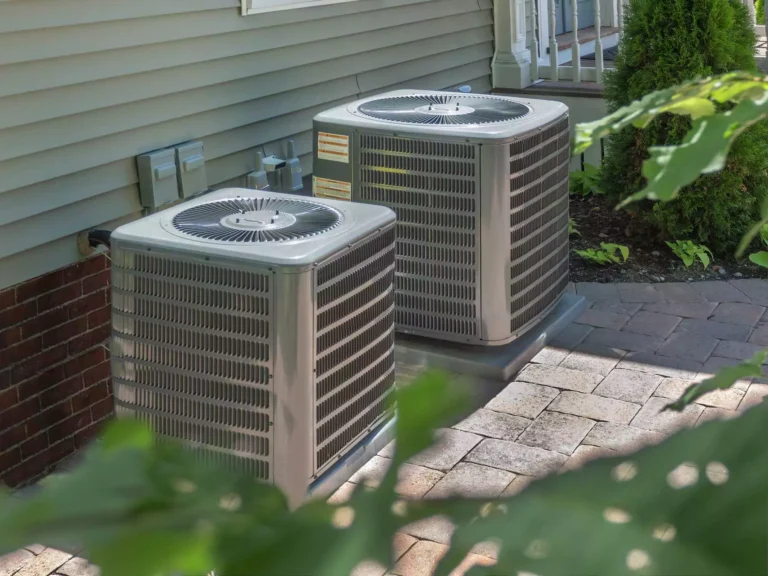

When an Englewood HVAC System Reaches the End of Its Life
Picture a July afternoon in Englewood, FL, when the humidity climbs and the air conditioner struggles to keep rooms below 80 degrees. The compressor cycles on and off, the electric bill rises every month, and a technician has already visited three times in a single season. At some point, patching an aging unit costs more than it returns. This is the moment when replacing the entire HVAC system becomes the smarter investment rather than another round of repairs.
At Total Air Solutions, we help Englewood homeowners and business owners recognize when replacement makes sense and guide them through the full process from the first measurement to the final system test. We have served the Gulf Coast communities since 2003, and that experience shapes how we size, select, and install equipment built to handle the coastal heat and salt-laden air that define this region.
Signs Your System Is Ready for Replacement
Many people wait too long before deciding to replace their heating and cooling equipment. They keep paying for small repairs that add up, not realizing that a new system could pay for part of itself in energy savings. The age of the unit is one of the clearest indicators. Most central air conditioners in Florida last between 10 and 15 years because they run nearly year-round and face constant exposure to moisture and coastal salt.
Beyond age, there are practical signals that point toward replacement. We encourage Englewood residents to watch for these common warning signs before a complete breakdown happens during the hottest part of the year:
- Rising energy costs: A system that works harder to produce the same comfort uses more electricity each cooling season.
- Frequent repairs: When repair visits become routine, the cost often exceeds the value of the equipment.
- Uneven temperatures: Hot and cold spots across rooms suggest the unit can no longer move conditioned air effectively.
- Excess humidity indoors: An aging system loses the ability to pull moisture from the air, a serious issue in a coastal climate.
- Loud or unusual noises: Grinding, rattling, or persistent cycling often points to failing internal components.
How We Approach HVAC System Replacement
A successful HVAC System Replacement begins long before any equipment arrives. The process starts with a thorough evaluation of your home or building. We measure the square footage, note the number and placement of windows, check insulation levels, and inspect the existing ductwork. These details feed into a load calculation that tells us the precise cooling and heating capacity your space requires.
Correct sizing matters more than many people expect. An oversized unit cools quickly but shuts off before it removes enough humidity, leaving rooms clammy. An undersized unit runs constantly and never reaches the set temperature. By performing an accurate load calculation during every HVAC System Installation, Total Air Solutions avoids both problems and delivers equipment matched to the actual demands of your Englewood property.
The Step by Step Replacement Process
Once we select the right equipment, the installation follows a clear sequence designed to protect your property and ensure the system performs correctly from the first day. Understanding each stage helps you know what to expect when our team arrives.
- Removal of the old system: We disconnect and safely remove the existing indoor and outdoor units, recovering refrigerant according to environmental regulations.
- Inspection of supporting components: We examine ductwork, electrical connections, and the condensate drain line, repairing or replacing anything that could reduce the new system’s efficiency.
- Setting the new equipment: We position the air handler and condenser, level the outdoor pad, and secure all mounting points to withstand Gulf Coast weather.
- Connecting refrigerant and electrical lines: We braze the refrigerant lines, pull a vacuum to remove moisture, and wire the system to code.
- Testing and calibration: We charge the system, verify airflow, check temperature differentials, and program the thermostat before we consider the job complete.
This methodical approach reduces callbacks and extends the service life of the equipment. We clean the work area thoroughly and walk you through the operation of your new thermostat and the maintenance schedule that keeps the warranty valid.
Technical Details That Affect Performance
Modern HVAC equipment carries ratings that describe how efficiently it operates. The SEER2 rating measures cooling efficiency, and higher numbers translate to lower operating costs over the life of the system. For Englewood homes that run air conditioning for most of the year, choosing a higher-efficiency unit often produces meaningful savings on monthly bills. We explain these ratings in plain terms so you can balance upfront investment against long-term value.
Refrigerant type, variable-speed compressors, and advanced air handling also influence comfort and humidity control. Variable-speed systems adjust their output to match demand, which keeps indoor conditions stable and removes moisture more effectively than single-stage units. During every consultation, we discuss which features suit your needs and budget without pushing options that add cost without benefit.
Serving Englewood and the Surrounding Gulf Coast
As an experienced HVAC Company, Total Air Solutions provides residential and commercial HVAC services throughout North Port, Tampa, and Bradenton, and we bring the same standards to every Englewood project. Whether you manage a storefront that needs reliable cooling for customers or a family home that must stay comfortable through a long summer, our team delivers installations built to last.
If your current system shows the warning signs described above, the best time to plan a replacement is before a complete failure forces a rushed decision. Reach out to Total Air Solutions to schedule an evaluation, and we will help you choose a system sized and installed for the Englewood climate, backed by the experience we have earned along the Gulf Coast since 2003.