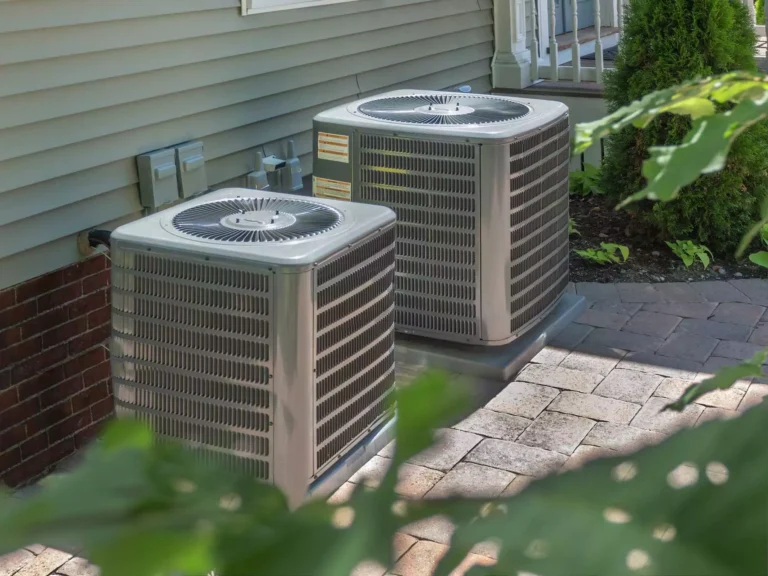

Understanding Green HVAC Technology in Florida’s Climate
Energy-efficient HVAC systems represent a significant advancement in home comfort technology, particularly crucial for Florida homeowners who face intense heat and humidity for much of the year. These green solutions utilize cutting-edge technology to deliver the same cooling power while consuming substantially less energy than traditional systems. Modern energy-efficient air conditioners incorporate variable-speed compressors, advanced refrigerants, and smart thermostats that work together to optimize performance based on actual cooling needs rather than running at full capacity continuously.
The unique challenges of Florida’s subtropical climate make energy efficiency particularly important. With average summer temperatures exceeding 90 degrees and humidity levels that can make homes feel even warmer, air conditioning isn’t just a luxury—it’s a necessity. Energy-efficient systems address these challenges through enhanced dehumidification capabilities and precise temperature control, ensuring comfort while minimizing environmental impact. At Total Air Solutions, we’ve been helping homeowners navigate these climate challenges since 2003, providing expert AC installation and HVAC services throughout Tampa, North Port, and surrounding Gulf Coast communities.
Financial Benefits of Energy-Efficient AC Systems
The financial advantages of upgrading to an energy-efficient HVAC system extend far beyond simple monthly utility savings. Modern high-efficiency air conditioners with SEER ratings of 16 or higher can reduce cooling costs by 20-40% compared to older units with SEER ratings below 10. For a typical Florida home running air conditioning 8-10 months per year, this translates to annual savings of $400-800, depending on home size and usage patterns.
Initial investment considerations often concern homeowners, but federal tax credits and utility rebates can offset 10-30% of installation costs for qualifying energy-efficient systems. Additionally, these advanced systems typically require less frequent AC repair and maintenance due to their sophisticated engineering and reduced operational stress. The variable-speed technology means components experience less wear and tear, extending system lifespan from the traditional 10-12 years to 15-20 years with proper maintenance.
Environmental Impact and Sustainability
Green HVAC solutions significantly reduce carbon footprint through multiple mechanisms beyond simple energy conservation. Modern systems use environmentally friendly refrigerants with lower global warming potential, replacing older R-22 refrigerant that damages the ozone layer. The reduced energy consumption directly correlates to decreased power plant emissions, with a single high-efficiency system preventing approximately 3,500 pounds of carbon dioxide emissions annually.
Smart technology integration allows these systems to operate more intelligently, adjusting output based on occupancy patterns, outdoor temperature fluctuations, and humidity levels. This precision operation eliminates energy waste from overcooling or constant cycling, while advanced filtration systems improve indoor air quality by removing pollutants, allergens, and particulates more effectively than standard filters.
Key Features of Modern Green HVAC Systems
Today’s energy-efficient HVAC installations incorporate numerous innovative features designed to maximize performance while minimizing environmental impact:
- Variable-speed compressors: Adjust cooling output to match exact needs, operating at lower speeds most of the time for enhanced efficiency
- Smart thermostats: Learn household patterns and automatically adjust temperatures, with remote control capabilities for additional savings
- Zoned cooling systems: Direct conditioned air only where needed, avoiding waste in unoccupied rooms
- Enhanced insulation and sealed ductwork: Prevent cooled air loss and improve overall system efficiency
- Heat recovery ventilators: Capture energy from exhaust air to pre-condition incoming fresh air
Making the Transition to Green HVAC
Transitioning to an energy-efficient HVAC system requires careful planning and professional expertise. Our experienced technicians conduct comprehensive home energy assessments to determine optimal system sizing and identify opportunities for efficiency improvements. Proper sizing is crucial—oversized systems cycle frequently and fail to dehumidify effectively, while undersized units run continuously without achieving desired comfort levels.
Professional HVAC installation ensures maximum efficiency through proper refrigerant charging, accurate airflow calibration, and optimal thermostat placement. We also evaluate existing ductwork for leaks or inadequate insulation that could compromise system performance. Throughout North Port, Port Charlotte, Punta Gorda, and Englewood, we’ve helped countless homeowners make successful transitions to green HVAC solutions, providing ongoing AC service to maintain peak efficiency.
The future of home cooling in Florida increasingly focuses on sustainable, energy-efficient solutions that balance comfort with environmental responsibility. As technology continues advancing, newer systems offer even greater efficiency gains through artificial intelligence, solar integration capabilities, and advanced materials. By investing in green HVAC technology today, Florida homeowners position themselves for long-term savings while contributing to a more sustainable future for our coastal communities.