
How Gulf Coast Homeowners Can Develop a Comprehensive Long-Term HVAC Care Strategy to Maximize System Performance and Prevent Costly Breakdowns
Living along Florida’s Gulf Coast means your air conditioning system works harder and longer than systems in most other parts of the country. In areas like Tampa, North Port, Port Charlotte, Punta Gorda, and Englewood, your HVAC equipment can run eight to ten months out of the year, accumulating thousands of operational hours that accelerate wear on critical components. Without a deliberate, long-term care strategy, homeowners often find themselves facing emergency breakdowns during the hottest months, when repair schedules are packed and replacement equipment may be backordered. At Total Air Solutions, we have been serving the Gulf Coast communities since 2003, and we have seen firsthand how proactive planning saves homeowners significant money and frustration over the life of their systems.
Understanding Why Gulf Coast Systems Face Unique Challenges
The combination of extreme heat, persistent humidity, salt air exposure, and seasonal storms creates an environment that is particularly punishing on HVAC equipment. Coastal humidity forces air conditioning systems to work double duty, managing both temperature and moisture removal simultaneously. This constant dehumidification cycle strains compressors, evaporator coils, and condensate drainage systems far beyond what manufacturers typically anticipate in their baseline engineering specifications. According to the Department of Energy, HVAC systems account for nearly half of a typical home’s energy consumption, and that percentage climbs even higher in subtropical climates like ours.
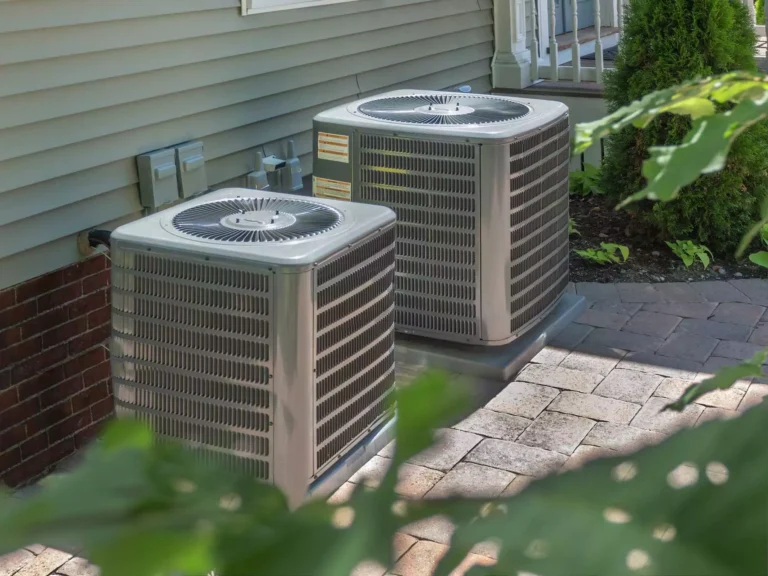
Salt air corrosion is another factor that Gulf Coast homeowners must address proactively. Condenser coils and outdoor unit housing exposed to salt-laden air deteriorate faster, reducing heat exchange efficiency and shortening equipment lifespan. Homes in Town ‘n’ Country, Englewood, and other coastal communities should consider corrosion-resistant coil coatings and regular exterior cleaning as part of their long-term strategy.
Building Your Multi-Year HVAC Maintenance Plan
A comprehensive care strategy goes far beyond scheduling a single annual tune-up. We recommend developing a multi-year roadmap that accounts for seasonal maintenance, component replacement timelines, and eventual system upgrades. This approach ensures that no critical service interval is missed and that budgeting for future expenses becomes predictable rather than reactive.
Your plan should include the following seasonal and annual priorities:
- Biannual professional inspections conducted before cooling season begins in spring and again before heating season in late fall to catch developing issues early
- Monthly filter replacement or cleaning during peak usage months to maintain proper airflow and prevent evaporator coil icing
- Annual condensate drain treatment using algaecide tablets and professional drain line flushing to prevent clogs that cause water damage and system shutdowns
- Biennial ductwork inspection to identify leaks, insulation degradation, and mold growth that compromise indoor air quality and efficiency
- Five-year electrical component review including capacitor testing, contactor inspection, and wiring integrity checks
Knowing When to Repair Versus Replace
One of the most important aspects of a long-term strategy is understanding when continued repairs become more expensive than investing in new equipment. Most AC systems in our climate last between twelve and fifteen years with proper maintenance. As your system approaches the ten-year mark, we recommend tracking annual repair costs carefully. Industry professionals generally advise replacement when repair costs exceed fifty percent of the value of a new system, or when the existing system uses R-22 refrigerant, which has been phased out and is increasingly expensive to source.
Modern air conditioning installation options offer dramatically improved efficiency ratings. Today’s heat pumps and ductless HVAC systems can achieve SEER2 ratings above twenty, compared to older units that may operate at ten or twelve SEER. For homeowners in North Port, Tampa, Bradenton, and surrounding communities, upgrading to a high-efficiency heat pump or ductless system can reduce monthly energy costs by thirty to forty percent while providing both cooling and heating capabilities.
Leveraging Technology and Professional Partnerships
Smart thermostats and WiFi-enabled system monitors now allow homeowners to track runtime data, energy consumption patterns, and receive maintenance reminders automatically. These tools complement professional AC service by providing real-time performance data that technicians can analyze during inspections to identify efficiency losses before they become mechanical failures.
Partnering with an experienced local provider is essential to executing your long-term plan effectively. Total Air Solutions provides residential and commercial HVAC services throughout the Gulf Coast region, offering maintenance agreements designed specifically for our climate’s demands. Our technicians understand the unique stressors that coastal Florida places on equipment and can tailor recommendations based on your specific system configuration, home design, and usage patterns.
- Consistent documentation of all service visits creates a maintenance history that supports warranty claims and informs future decisions
- Priority scheduling through maintenance agreements ensures you receive prompt attention during peak demand periods
- Customized replacement timelines allow you to plan financially for major equipment investments years in advance
Developing a comprehensive HVAC care strategy is not a one-time task but an evolving commitment that adapts as your system ages and technology advances. By taking a proactive, informed approach today, Gulf Coast homeowners can enjoy reliable comfort, lower utility bills, and peace of mind for years to come.