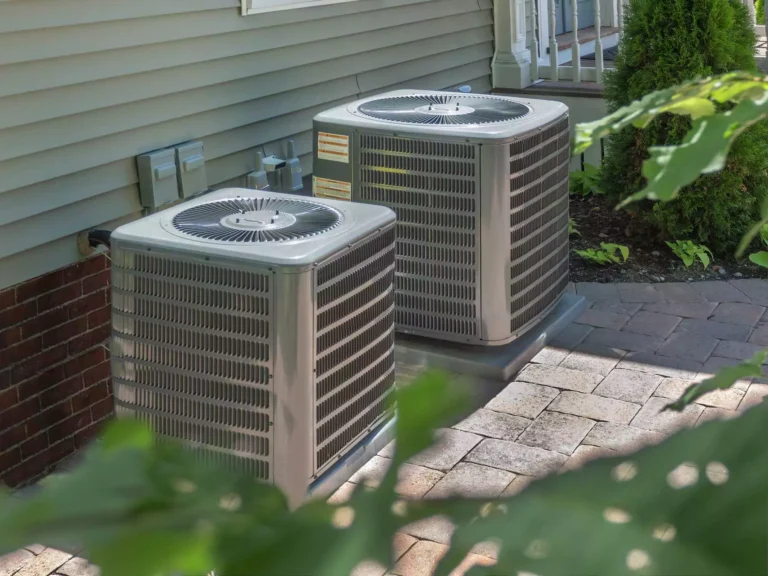

When Repair No Longer Makes Sense
Every air conditioning and heating system reaches a point where continued repairs cost more than they return. In North Port, where cooling equipment runs for the better part of the year, that point often arrives sooner than homeowners expect. A system that struggles to hold a set temperature, cycles on and off too frequently, or drives monthly energy bills steadily upward is telling you something. When the compressor fails on a unit that is already twelve or fifteen years old, replacement is usually the sound financial decision.
At Total Air Solutions, we approach replacement as a planning exercise rather than a rushed reaction. Before recommending a new system, we look at the age of your current equipment, its refrigerant type, the condition of the ductwork, and how well the home holds conditioned air. This gives you a clear picture of what a replacement will accomplish and what it will cost to operate over the years that follow.
How We Size and Select a New System
Proper sizing is the single most important step in any HVAC system replacement. A unit that is too large cools quickly but shuts off before it removes humidity, leaving the home clammy. A unit that is too small runs constantly and never reaches the set temperature on the hottest days. We perform a load calculation based on the square footage of your home, ceiling heights, window placement, insulation levels, and the direction the structure faces. This calculation gives us the correct capacity in tons rather than a rough guess.
Once we know the required capacity, we match it to equipment that fits your priorities. Some homeowners want the highest efficiency available, measured by SEER2 ratings, to keep operating costs low during the long North Port cooling season. Others prioritize a reliable, mid-range system with a strong warranty. We explain the differences in plain terms, including the trade-offs between single-stage, two-stage, and variable-speed compressors, so you can make a decision that fits your household and budget.
The Replacement Process Step by Step
A well-managed installation protects your home and gives the new system the best chance to perform as rated. Our crews follow a consistent sequence on every replacement project, whether it is a single-family residence or a commercial property.
- Site assessment and measurement: We confirm the load calculation, inspect the existing ductwork and electrical connections, and identify anything that needs correction before the new equipment goes in.
- Safe removal of old equipment: We recover any remaining refrigerant according to environmental regulations and remove the old condenser, air handler, or furnace without damaging surrounding surfaces.
- Installation of new components: We set the new equipment, connect refrigerant lines, seal duct connections, and verify that electrical work meets code.
- Startup and calibration: We charge the system to the manufacturer’s specification, check airflow, and confirm the thermostat communicates correctly with the equipment.
- Final walkthrough: We show you how the new system operates and explain the maintenance that will keep the warranty valid.
Attention to detail during startup matters as much as the equipment itself. An improperly charged system can lose efficiency and shorten the life of the compressor, which is why we measure and adjust rather than assume the factory charge is correct for your specific line set length.
Ductwork and Airflow Considerations
A new system connected to old, leaky ductwork will never deliver its rated performance. Duct leakage in an attic or crawl space can waste a large share of the cooled air before it ever reaches the living space. During a replacement, we inspect the duct network for gaps, disconnected sections, crushed runs, and poor insulation. When we find problems, we recommend targeted repairs or sealing so the new equipment can do its job.
Airflow balance also affects comfort room by room. If one bedroom always runs warmer than the rest of the house, the cause is often a duct sizing or damper issue rather than the equipment. We evaluate these conditions at the same time we replace the system, since it is far easier to correct them when the equipment is already open than to revisit the work later.
Residential and Commercial Replacement Across the Gulf Coast
Total Air Solutions provides residential and commercial HVAC services throughout North Port, Tampa, and Bradenton. We have been serving the Gulf Coast communities since 2003, and that long experience shapes how we handle replacements in this climate. Coastal humidity, salt exposure, and long cooling seasons place demands on equipment that inland regions rarely see, so we recommend systems built to hold up under those conditions.
Commercial replacements bring additional planning. A rooftop package unit serving a retail space or office must be replaced with minimal disruption to daily operations, and we coordinate scheduling so business can continue. For property managers overseeing multiple units, we document each installation clearly so future service records stay organized.
What to Expect From Total Air Solutions
Choosing an HVAC company for a replacement is a decision you live with for a decade or more. We aim to make the process straightforward, from the first assessment to the final walkthrough. You receive clear information about system options, honest guidance on sizing, and installation work performed to manufacturer and code standards.
When your current system reaches the end of its service life, replacing it on your own schedule beats waiting for a total breakdown during the hottest week of summer. If you are weighing a new HVAC system installation for your home or business, reach out and we will assess your situation and lay out your options in clear terms.