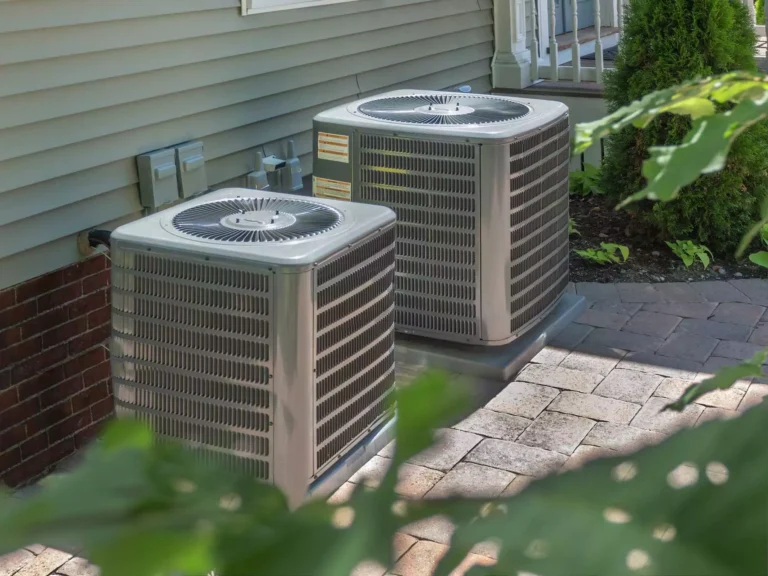

Professional HVAC Installation Services in Punta Gorda
When you’re facing the intense Florida heat and humidity that characterizes Punta Gorda’s subtropical climate, having a properly installed HVAC system isn’t just about comfort—it’s essential for your health and wellbeing. At Total Air Solutions, we understand the unique challenges that Gulf Coast weather presents, from scorching summers with temperatures regularly exceeding 90 degrees to the occasional cold snap during winter months. Our installation process begins with a comprehensive evaluation of your property’s specific needs, considering factors such as square footage, insulation quality, window placement, and existing ductwork configuration.
The installation process we follow incorporates advanced load calculation methods to determine the exact capacity requirements for your space. Using Manual J calculations, we assess heat gain and loss through walls, ceilings, floors, and windows, while accounting for internal heat sources like appliances and occupancy patterns. This scientific approach ensures that your new system won’t be oversized, which can lead to short cycling and increased humidity problems, or undersized, resulting in inadequate cooling and excessive energy consumption. Our expertise extends across both residential and commercial HVAC services throughout North Port, Tampa, and Bradenton, bringing the same meticulous attention to detail we’ve maintained since we began serving Gulf Coast communities in 2003.
AC Installation Expertise for Coastal Conditions
The salt air and high humidity levels in Punta Gorda create unique challenges for air conditioning systems that require specialized knowledge during installation. We select equipment with enhanced corrosion resistance, including units with specialized coastal coatings on condenser coils and aluminum fins designed to withstand the harsh marine environment. The positioning of outdoor units becomes particularly critical in coastal areas, where we strategically place condensers to minimize direct exposure to salt spray while maintaining optimal airflow and accessibility for maintenance.
During AC installation, we implement advanced refrigerant management techniques that comply with current EPA regulations while maximizing system efficiency. The proper charging of refrigerant requires precise measurements and adjustments based on line set length, ambient temperature, and manufacturer specifications. We utilize digital manifold gauges and subcooling/superheat calculations to achieve optimal refrigerant charge, which directly impacts your system’s cooling capacity, energy efficiency, and longevity. Additionally, we ensure proper drainage systems are installed with appropriate pitch and trap configurations to prevent water damage and microbial growth in Florida’s humid environment.
Comprehensive Heating Installation Solutions
While Punta Gorda’s winters are mild compared to northern climates, efficient heating installation remains crucial for those cooler months when temperatures can drop into the 40s and 50s. We specialize in heat pump installations, which provide both heating and cooling capabilities while operating at remarkable efficiency levels in our moderate climate zone. Modern heat pump technology has advanced significantly, with variable-speed compressors and smart defrost controls that optimize performance even during our occasional cold snaps.
The integration of auxiliary heating elements requires careful electrical load calculations and circuit installations to ensure safe and reliable operation. We coordinate with licensed electricians when necessary to upgrade electrical panels or install dedicated circuits that meet National Electrical Code requirements. Our heating installation process includes thorough testing of emergency heat functions, sequencer operations, and safety controls to guarantee your system will perform reliably when you need it most.
HVAC Installation Process and Quality Assurance
Our comprehensive installation methodology encompasses several critical phases that ensure long-term system reliability and performance.
- Site preparation phase: We protect your property with drop cloths, remove old equipment responsibly, and prepare the installation area for new components
- Equipment placement and mounting: We level and secure all components according to manufacturer specifications while ensuring proper clearances for airflow and service access
- Ductwork evaluation and modification: We inspect existing ductwork for leaks, sizing issues, and insulation deficiencies, making necessary improvements to optimize system performance
Following equipment installation, we perform extensive commissioning procedures that verify proper operation across all modes and settings. This includes checking refrigerant pressures, measuring temperature differentials across coils, verifying proper airflow at all registers, and calibrating thermostats for accurate temperature control. We document all measurements and adjustments, providing you with a complete installation report that serves as a baseline for future maintenance and troubleshooting.
The final phase involves thorough customer education about system operation, maintenance requirements, and warranty provisions. We demonstrate thermostat programming, explain filter replacement procedures, and identify important system components that require periodic attention. This knowledge transfer empowers you to maximize your investment while maintaining peak system performance throughout its operational life.
Energy Efficient HVAC Systems
Today’s HVAC installations incorporate sophisticated technologies that dramatically reduce energy consumption while enhancing comfort control. We install systems with SEER ratings ranging from 14 to over 20, representing significant efficiency improvements over older equipment. Smart thermostats with WiFi connectivity enable remote system monitoring and control, while learning algorithms automatically adjust settings based on your lifestyle patterns and preferences, potentially reducing energy costs by twenty percent or more annually.