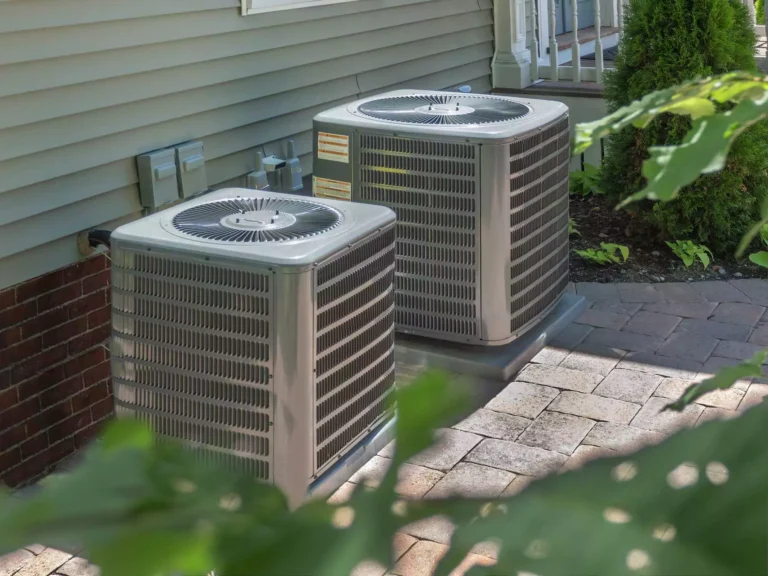

A modern HVAC system that runs efficiently for 12 to 15 years will eventually reach a point where repairs cost more than the value they return. When a compressor fails on an aging unit, or a heat exchanger cracks, or energy bills climb month after month despite regular service, replacement becomes the practical choice. At Total Air Solutions, we treat system replacement as a planned engineering decision, not a rushed purchase during a breakdown.
Signs It Is Time to Replace Rather Than Repair
Deciding between one more repair and a full replacement depends on measurable factors, not guesswork. We inspect the equipment, review its service history, and measure its current performance before we recommend anything. A unit that needs a major component and is already past its expected service life rarely justifies the cost of the fix.
Several conditions point clearly toward replacement. When the compressor or heat exchanger fails on a system over ten years old, the repair often approaches half the cost of new equipment. Rising electric bills that continue despite clean coils and correct refrigerant charge indicate declining efficiency. Frequent breakdowns, uneven temperatures between rooms, and systems that still use R-22 refrigerant are all strong indicators. R-22 is no longer produced, so servicing those units grows more expensive each year.
How We Plan a Replacement
A proper HVAC system installation begins with load calculation, not a quick look at the old equipment. Simply matching the tonnage of a failing unit repeats any sizing mistakes made years earlier. We perform a Manual J load calculation that accounts for square footage, insulation levels, window area, ceiling height, and local climate conditions along the Gulf Coast.
An oversized system short cycles, which wastes energy and fails to remove humidity. An undersized system runs constantly and struggles to hold the set temperature during Tampa summers. Correct sizing sits between those extremes and delivers steady comfort with lower operating costs. After the load calculation, we inspect the existing ductwork for leaks, restrictions, and improper sizing, because even the best new equipment underperforms when connected to poor duct systems.
The Replacement Process Step by Step
Our goal is a clean, code-compliant installation that performs to the manufacturer’s specifications. Every replacement we complete follows a defined sequence so nothing is skipped and the finished system operates as designed.
- Assessment and sizing: We evaluate your current system, measure your home or building, and calculate the exact heating and cooling load before selecting equipment.
- Equipment selection: We match a system to your space, efficiency goals, and budget, explaining SEER2 ratings and capacity in plain terms.
- Safe removal: We recover refrigerant according to EPA rules, disconnect the old unit, and remove it without damaging your property.
- Ductwork correction: We seal, repair, or resize ducts as needed so airflow matches the new equipment.
- Installation and connection: We set the new air handler and condenser, connect line sets, wiring, and drainage, and verify every joint.
- Startup and verification: We charge the system, test airflow, check temperature split, and confirm the unit meets its rated performance.
Technical Details That Affect Performance
Efficiency ratings matter, and they have changed. SEER2 is the current standard for cooling efficiency in the southeastern region, and higher ratings mean lower electricity use over the life of the system. We help you weigh the upfront investment against long-term savings, since a higher-rated unit often pays for the difference through reduced monthly bills, especially in a climate where cooling runs much of the year.
Beyond the rating, several specifications shape how a system feels day to day. Variable-speed blowers adjust airflow gradually, which improves humidity control and reduces noise. Two-stage and variable-speed compressors run at lower capacity during mild conditions, which cuts energy use and holds temperatures more evenly. Proper refrigerant charge, measured line set length, and correct static pressure all influence whether a system reaches its rated performance. We measure these values during startup rather than assuming factory settings are correct for your installation.
Residential and Commercial Replacements
We handle both single-family homes and commercial buildings, and the priorities differ between them. In a home, comfort, quiet operation, and monthly energy cost usually lead the conversation. We size equipment to keep bedrooms and living areas within a narrow temperature range and to manage the high humidity typical of the region.
Commercial replacements involve larger loads, rooftop units, zoning across multiple areas, and schedules that keep businesses running during the changeover. We plan commercial work to limit downtime and to meet the ventilation and capacity demands of occupied spaces. Total Air Solutions provides residential and commercial HVAC services throughout North Port, Tampa, and Bradenton, and we have served the Gulf Coast communities since 2003. That experience means we understand how local heat and humidity affect equipment and how to size and install systems that hold up year after year.
When your current unit reaches the end of its service life, a well-planned replacement restores comfort, lowers operating costs, and removes the uncertainty of repeated breakdowns. Reach out to Total Air Solutions to schedule an assessment and to review the options that fit your home or building.