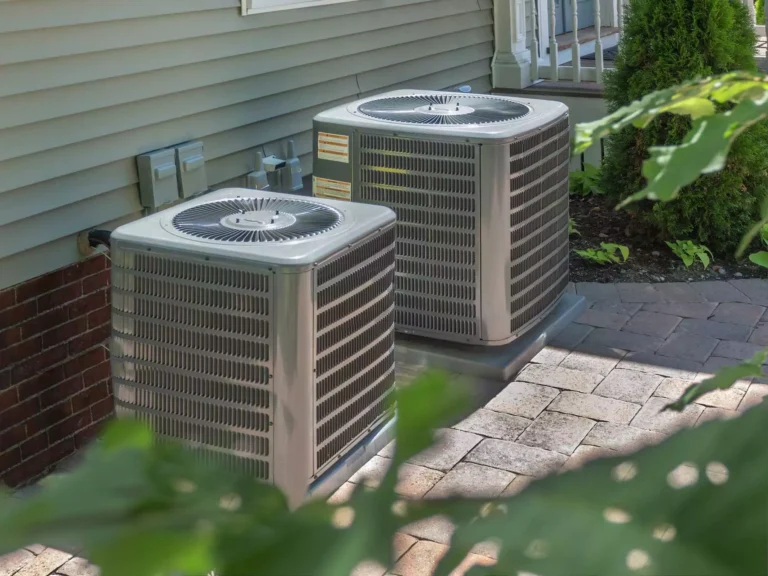

Living in Florida comes with its fair share of perks, from year-round sunshine to beautiful beaches, but the state’s high humidity is a challenge every homeowner has to face. Humidity levels often reach 70–90% during the summer months, and that excess moisture doesn’t just make the air feel heavy and sticky—it can also put serious strain on your HVAC system. Understanding how humidity impacts your home and your air conditioning unit can help you protect your comfort, your indoor air quality, and your wallet.
Your HVAC system does more than just cool the air. One of its key functions is to remove excess moisture to create a comfortable indoor environment. When the air outside is thick with humidity, your system has to work much harder to keep your home feeling cool and dry. The higher the moisture content, the longer your system runs, which can lead to increased energy bills and unnecessary wear and tear on the equipment. Over time, this extra strain may shorten the life of your system if it’s not properly maintained.
Excess humidity also affects comfort levels in ways many homeowners don’t realize. Even if your thermostat is set to 75°F, high indoor humidity can make your home feel warmer and more uncomfortable. This often leads homeowners to lower the thermostat even further, which only adds to energy costs. Beyond comfort, too much moisture can create ideal conditions for mold and mildew growth inside your air handler, ductwork, or other damp areas of your home. Once mold develops, it can affect your indoor air quality and trigger allergies or respiratory problems, making routine maintenance and preventative measures even more important.
Keeping your HVAC system prepared for Florida’s humid climate starts with regular professional maintenance. Having your system serviced twice a year ensures that coils are clean, refrigerant levels are correct, and drainage components are working properly to prevent excess moisture from building up. Clean air filters are another simple but critical part of the equation, since restricted airflow can make it harder for your system to dehumidify the air effectively. For an extra layer of protection, many Florida homeowners choose to install a UV (or blue) light inside their air handler, which can help prevent mold growth on coils where condensation tends to collect.
If your home still feels damp or sticky even with the A/C running, it may be time to consider a whole-home dehumidifier. Integrating a dehumidifier with your HVAC system not only improves comfort but also reduces the strain on your air conditioner, helping it run more efficiently and last longer.
At Total Air Solutions, we understand the unique challenges of keeping Florida homes cool and comfortable in a tropical climate. Our expert technicians can perform routine maintenance, install preventative upgrades, and offer humidity-control solutions tailored to your home. Don’t let high humidity take control of your comfort or put your system at risk. Call Total Air Solutions at 1-888-426-1770 to schedule your maintenance today and enjoy a cooler, drier, and healthier home.